
What Exactly Are Slot Machines and How Do They Work?
Best Slot Games for Real Wins: Expert Picks and Strategies
Despite their random outcomes, slot games are the most played casino games worldwide because they offer instant, low-stakes entertainment with no skill required. You simply spin the reels and watch matching symbols land to trigger payouts, with bonus features like free spins and multipliers adding extra chances to win. This simple, fast-paced gameplay provides a relaxing escape, as each spin takes just seconds and requires no strategy or decision-making. Whether you play for pennies or larger bets, slot games give you control over your budget and time in a purely luck-based experience.
What Exactly Are Slot Machines and How Do They Work?
Slot machines are games of chance where you spin reels filled with symbols. At their core, they work using a Random Number Generator (RNG), a tiny computer chip that constantly spits out numbers even when no one is playing. When you hit spin, the RNG stops on a random number, which corresponds to a specific set of symbols on the screen. So, does the machine “know” when you will win? No, every single spin is completely independent and random, so past results have zero effect on your next press of the button. Your goal is simply to line up matching symbols across active paylines to trigger a payout.
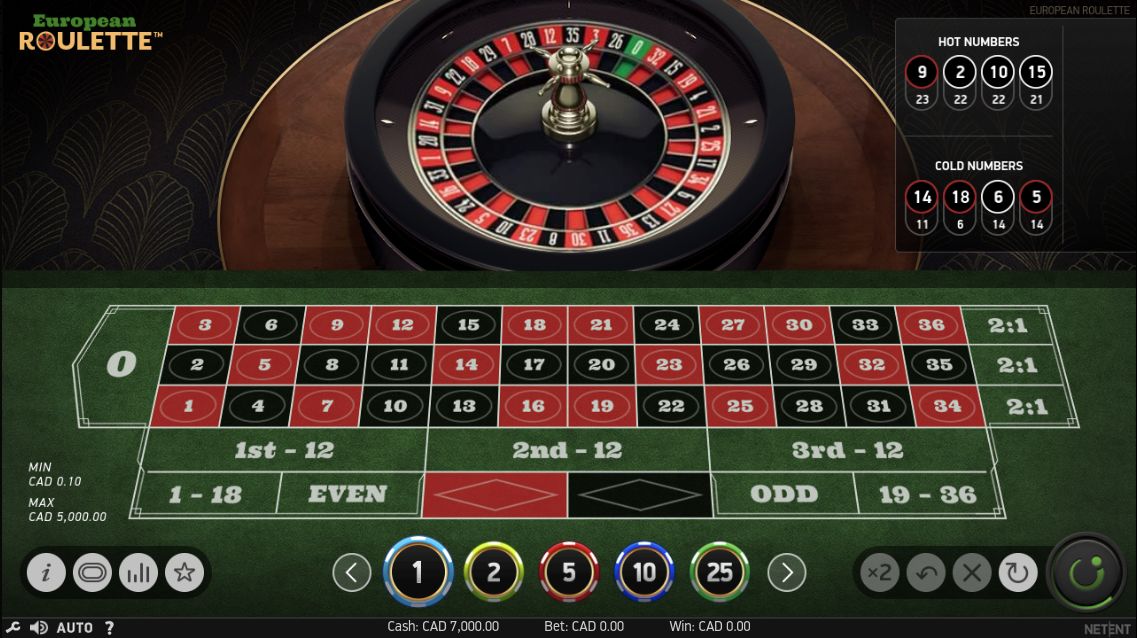
Understanding the Random Number Generator That Determines Every Spin
At the heart of every spin lies the Random Number Generator (RNG), a mathematical algorithm that runs continuously even when no one is playing. The moment you hit spin, the RNG seizes the exact microsecond to select a number, instantly mapping it to a symbol combination on the reels. This process ensures each outcome is independent of the last, meaning no pattern can be predicted or manipulated. The RNG cycles through millions of numbers per second, guaranteeing genuine unpredictability and fair randomness. Understanding this core mechanism confirms that every spin is a fresh, isolated event.
- Each spin’s result is determined by the precise timing of your button press.
- The RNG operates nonstop, producing thousands of possible outcomes every second.
- No amount of spins can influence or “warm up” the RNG for a future win.
The Difference Between Classic Reels and Modern Video Slots
Classic reels typically feature three physical reels with a limited set of symbols like fruits, bars, and sevens, relying on a single payline. Modern video slots use a digital screen to display five or more virtual reels, often incorporating hundreds of paylines or a “ways-to-win” system. This allows modern games to offer complex bonus features, cascading reels, and varied themes. The core difference is that classic reels provide a straightforward, nostalgic gameplay experience, while modern video slots prioritize diverse mechanics and interactive elements.
Q: What is the main visual difference between classic reels and modern video slots?
A: Classic reels use physical spinning drums, whereas modern video slots simulate reels on a digital screen, enabling more dynamic animations.
Key Features That Boost Your Winning Potential
When looking for key features that boost your winning potential in slot games, focus on those that directly increase your odds per spin. High volatility slots can yield bigger payouts, but you need a larger bankroll to survive the dry spells. Always check the Return to Player (RTP) percentage—anything above 96% is solid. Most importantly, look for features like **Wilds** that substitute for other symbols, **Scatters** that trigger free spins, and **multipliers** that boost your wins during bonus rounds.
Pro tip: The most impactful feature is often the “buy bonus” option, letting you skip the base game for a shot at the lucrative free spin round.
Stacking these mechanics gives you a clearer path to turning small bets into substantial returns.
How Wilds, Scatters, and Multipliers Function in Gameplay
Wild symbols act as versatile substitutes, filling in for missing standard symbols to complete winning paylines, while some expand or stack across reels to maximize coverage. Scatters function independently of paylines, triggering a payout wherever they land, and often unlock bonus rounds or free spins when three or more appear. Multipliers then amplify these wins by a set factor—commonly x2, x3, or higher—applied either to a single line, a scatter prize, or the total bet during a feature. Because scatters frequently activate multipliers within free spins or bonus games, these three mechanics work in sequence: wilds complete lines, scatters unlock events, and multipliers inflate the resulting payout.
Wilds substitute for symbols to form wins, scatters trigger bonuses regardless of position, and multipliers increase the credit value of those wins—together creating layered opportunities for higher payouts.
The Role of Paylines vs. Megaways Mechanics
Traditional paylines lock you into fixed, predetermined paths across reels, requiring specific symbol alignments for wins. This creates predictable, structured gameplay but limits winning opportunities per spin. Megaways mechanics, in contrast, randomly shifts the number of symbols per reel each spin, generating up to 117,649 ways to win through a dynamic, all-ways-pays system. This variability dramatically increases win frequency and potential payout size, as every adjacent matching symbol sequence pays. Megaways’ cascading reels amplify this further, removing winning symbols for new ones to drop in, enabling consecutive wins from a single spin. Paylines offer clarity, while Megaways prizes volatility and abundance.
Q: Which offers better winning potential: fixed paylines or Megaways?
A: Megaways mechanics generally provide higher winning potential due to their exponentially larger number of ways to match symbols, though with greater volatility than fixed paylines.
How to Choose the Right Slot Game for Your Style
Picking a slot that clicks with your vibe starts with looking at the volatility. If you prefer frequent small wins to keep the credits rolling, stick with low-volatility slots; if you’re chasing a massive payout and can handle dry spells, high-volatility games are your match. Next, check the theme and features—whether you want adventure, fruit symbols, or bonus rounds that trigger often. Don’t overlook the RTP percentage, but remember a slight edge matters less than enjoying the gameplay in the moment. Finally, test a few demo versions before committing real cash to see what feels natural. Your perfect slot is the one where the pace, payouts, and visuals keep you engaged without forcing a grind.
Identifying Volatility Levels: High vs. Low Variance Games
Understanding slot game variance is the key to matching a game with your bankroll and patience. Low-volatility slots deliver frequent, small wins, keeping your balance steady over long sessions, ideal for casual play. High-volatility slots offer rare but massive payouts, suited for thrill-seekers with larger bankrolls who can withstand dry spells. Scan the game’s paytable or info screen for variance indicators; many developers label their games as “low,” “medium,” or “high” volatility. Your choice should align directly with how often you want to win versus how big you want those wins to be.
- Low variance games: small, consistent payouts extend playtime.
- High variance games: fewer wins but higher jackpot potential.
- Check the game’s help section for variance tags or hit frequency data.
- Demo play reveals real-time volatility patterns risk-free.
Reading the RTP Percentage to Maximize Long-Term Returns
Reading the RTP percentage is your most direct tool for maximizing long-term returns in slot games. This number tells you what fraction of wagered money a slot pays back over millions of spins, so a 96% RTP theoretically returns $96 for every $100 bet. Always prioritize slots with RTPs above 96%, as even a 1% difference significantly impacts your bankroll over time. Volatility still matters, though—a high-RTP, high-volatility slot won’t pay out frequently, so pair RTP with your session budget. Check a game’s info page or the developer’s site to verify its RTP, as some casinos adjust it. Stick with these rates to stretch your play and improve your odds.
Practical Tips for Managing Your Bankroll Effectively
Set a strict session budget before you spin, dividing your total bankroll into smaller, loss-limited chunks for each play session. Use the 1% to 3% rule per spin, meaning your bet size should never exceed three percent of that session’s funds. When a series of dead spins eats into your allocation, take an immediate break rather than chasing losses with larger bets. Actually stepping away after a 20% session loss often resets your decision-making more effectively than any luck-based strategy. Always stop playing immediately once you hit your session’s loss cap, regardless of any near-miss temptation.

Setting Loss Limits and Win Goals Before Spinning
Before any spin, define a strict loss limit and a clear win goal to lock in discipline. This prevents emotional chasing after a dry streak and secures profits when luck is on your side. Treat these numbers as unbreakable rules, not suggestions. Setting loss limits and win goals before spinning is your only safeguard against depleting your bankroll or losing hard-earned gains. Stick to them to walk away with control intact.
- Decide a maximum loss amount you can accept without regret for the session.
- Set a target win percentage (e.g., 20% of your starting bankroll) and stop playing once reached.
- Use session timers to reinforce your commitment when you hit either boundary.
- Never adjust your limits upward during gameplay, no matter the outcome.
Using Bonus Features and Free Spins to Extend Playtime
Activating bonus features and free spins strategically serves as a direct method to extend playtime without additional deposits. When triggered, these rounds consume no wagered funds, allowing you to maintain your bankroll while the game’s volatility plays out. Prioritize slot titles where free spins include retriggers or multipliers, as these compound the no-cost rounds. Use built-in scatter symbols or specific bet thresholds to intentionally trigger bonus phases, reducing the need to reload your balance. Always review the paytable to confirm whether free spins contribute to progressive features, ensuring each round delivers maximum non-monetary value.

- Target slots with retriggerable free spins to chain multiple no-cost rounds together
- Use bonus buy options only when the cost is under 50% of your session bankroll
- Time your play during free spin sequences to avoid making additional bets while the feature runs
- Reset your bet size to the lowest allowable level after a bonus trigger to preserve the win balance
What Are Progressive Jackpots and How to Trigger Them
Progressive jackpots Parimatch login are prize pools that increase each time a player makes a bet on a linked slot game, often growing to life-changing sums. Unlike fixed jackpots, a small percentage of every wager feeds the shared pot. To trigger one, you typically need to land a specific combination of symbols or a bonus game. Many slots require the maximum bet to be eligible; if you bet less, you might win smaller prizes but not the full progressive.
The essential insight is that triggering often depends on betting max credits, as the game’s random number generator activates the top-tier payout only when the highest wager is placed.
These jackpots can be local (within one casino) or wide area (across multiple platforms), but the triggering mechanism remains a pure chance event governed by the slot’s algorithm.
Understanding Local vs. Networked Jackpot Pools
Understanding the difference between local and networked jackpot pools is key to managing expectations. A local progressive jackpot pool is funded solely by bets placed on a single machine or a small group of linked machines within one casino. This means the prize grows slower but is statistically easier to win. In contrast, a networked jackpot pool links thousands of machines across multiple casinos or even globally, causing the prize to snowball rapidly to life-changing sums. Because the player base is enormous, your odds of triggering the top prize are significantly lower. Here is the practical sequence:
- Identify if the game title or the machine label mentions “local” or “wide-area” network.
- Check the current jackpot amount displayed; local pools typically show smaller figures.
- Understand that larger pools mean lower individual odds, but potentially bigger payouts.

Strategies for Playing Jackpot Slots Without Overspending
Bankroll segmentation is the primary defense against overspending on progressive jackpots. Divide your total session funds into predefined, non-negotiable intervals, and allocate only a small fraction—such as 10%—specifically for jackpot spins. Once that assigned portion is lost, you must stop chasing the progressive entirely for that session. To structure this discipline:
- Set a hard loss limit before starting any jackpot spin.
- Use the minimum bet required for jackpot eligibility, avoiding the temptation to increase wager size.
- Walk away immediately after hitting any significant win, even if the jackpot hasn’t triggered.
This sequential cap prevents the emotional escalation that leads to overspending on low-probability outcomes.
Common Questions Beginners Ask About Slot Play
Beginners often ask if a slot machine is “due” for a win after a long losing streak. In reality, each spin is independent due to a Random Number Generator, making past results irrelevant. Another common question is whether betting more increases your odds of winning; while it often unlocks higher payout lines or jackpots, it does not change the game’s inherent probability. Players also inquire about the difference between slot volatility and RTP—volatility affects how often and how much you win, while RTP is the theoretical long-term return. Understanding that bonus rounds rarely trigger without meeting specific symbol requirements is also a key beginner slot strategy tip.
Do Bet Sizes Really Influence Your Odds of Winning?
For most modern slot games, your bet size does not directly alter the mathematical odds of winning on any single spin. The Random Number Generator (RNG) determines outcomes independently of how much you wager. However, bet size can influence your effective playing time and hit frequency. Larger bets often unlock higher paylines or maximum bet features, which may trigger more frequent small wins, but the core probability of hitting a jackpot remains static regardless of the coin value. A larger bet simply multiplies the payout of a winning combination without changing its underlying likelihood.
| Aspect | Influence of Bet Size |
|---|---|
| Odds per spin | No change; RNG is unaffected |
| Payout value | Multiplied proportionally |
| Feature activation | May unlock more paylines or bonus rounds |
Can You Predict When a Machine Is About to Hit a Payout?
No, you cannot predict when a machine is about to hit a payout because each spin is an independent event governed by a random number generator. Slots operate on a continuous cycle of random results, with no memory of previous wins or losses. Observing patterns like a string of losses or a near-miss may feel telling, but these do not signal an imminent payout. The RNG ensures every spin has the same probability of winning, regardless of how long the machine has been idle or active. Betting more after a cold streak does not change the odds—it only increases your risk.